Skip to content
Table of Contents
Most people think of dental care as something separate from the rest of their health. Brushing, flossing, and routine cleanings often feel like isolated habits rather than part of a bigger picture. But what if your gums were telling you more about your body than you realized?
At Comeaux & Stonestreet Dental Group, patients are often surprised to learn how closely oral health connects to overall wellness. Concerns like bleeding gums or persistent inflammation are not just dental issues. They can be early signals that your body is under stress, making Periodontal Therapy an important step toward protecting more than just your smile.
How does periodontal therapy support both oral and overall health?
Periodontal therapy reduces gum inflammation and bacterial buildup, helping protect your teeth while also lowering the risk of systemic issues linked to chronic inflammation.
Understanding the Mouth-Body Connection and Periodontal Therapy
The phrase mouth-body connection refers to the relationship between oral health and the rest of the body. Your gums and teeth are not isolated structures. They are connected to your circulatory and immune systems, so issues in the mouth can affect other areas of health.
When gum disease develops, bacteria build up below the gumline. This triggers inflammation, which is your body’s natural response to infection. Over time, untreated inflammation can spread beyond the mouth and contribute to broader health concerns.
Periodontal Therapy focuses on treating this inflammation at its source. Addressing gum disease early helps restore balance in the mouth and reduces the burden on your body’s immune system.
How Periodontal Therapy Works to Restore Gum Health
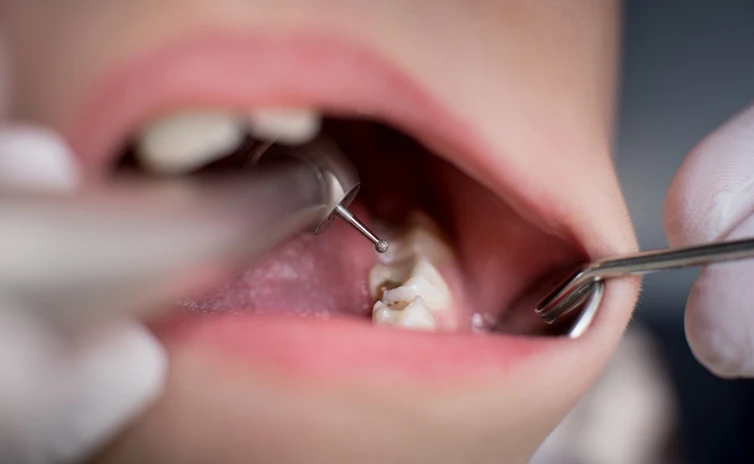
The foundation of gum disease treatment is removing the bacteria and plaque that cause inflammation. This is typically done through a process known as scaling and root planing, often referred to as a deep dental cleaning.
During this treatment, the teeth and root surfaces are carefully cleaned to remove buildup below the gumline. This allows the gums to heal and reattach more securely to the teeth. The process is usually performed in sections to ensure comfort and effectiveness.
At practices offering Periodontal Therapy in Woodlands, TX, treatment plans are customized based on the severity of the condition. Local anesthesia may be used to keep the experience comfortable, and supportive options are available for patients who feel anxious.
Why Inflammation in the Gums Affects the Whole Body
Inflammation is a natural defense mechanism, but when it becomes chronic, it can affect multiple organ systems. Gum disease is a form of chronic inflammation, which means it does not stay confined to the mouth.
Bacteria from infected gums can enter the bloodstream, potentially affecting areas such as the heart and blood vessels. This is why researchers have explored the connection between periodontal disease and cardiovascular health.
While periodontal therapy is not a treatment for heart conditions, it plays a supportive role in reducing one of the contributing factors: inflammation. By managing gum health, you are also helping your body maintain a more balanced inflammatory response.
Signs You May Need Periodontal Therapy
Many people are unaware they have gum disease because symptoms can develop gradually. However, several signs may indicate the need for periodontitis treatment.
Common symptoms include:
• Bleeding gums during brushing or flossing
• Persistent bad breath
• Gum recession or teeth appearing longer
• Red, swollen, or tender gums
• Loose teeth or changes in bite
These signs should not be ignored. Early intervention with non-surgical periodontal therapy can prevent the condition from progressing and reduce the need for more complex treatments later.
Regular visits to the dentist are very important for finding these problems early, even before you notice any signs.
The Role of Deep Cleaning in Long-Term Oral Health
A deep dental cleaning goes beyond what is typically done during a routine visit. It targets the areas below the gumline where bacteria can accumulate and cause damage.
By removing plaque and tartar from these deeper areas, the treatment creates an environment that allows the gums to heal. This process is essential for stopping the progression of gum disease and protecting the structures that support your teeth.
Over time, maintaining clean root surfaces helps prevent further buildup. Combined with good home care, this approach supports long-term stability and reduces the risk of tooth loss.
This is why dental plaque removal is not just about appearance. It is a key part of preserving both oral and overall health.
How Periodontal Therapy Supports Overall Wellness
The benefits of Periodontal Therapy extend beyond healthier gums. By reducing inflammation and bacterial load, the treatment supports your body’s natural healing processes.
Patients often notice improvements such as:
• Healthier, less sensitive gums
• Reduced bleeding and inflammation
• Improved breath and oral comfort
• Greater confidence in daily interactions
Beyond these visible changes, there is also the broader impact on systemic health. Managing gum disease helps reduce one of the sources of chronic inflammation, which is linked to various health conditions.
Who Should Consider Periodontal Therapy?
Periodontal therapy is suitable for a wide range of individuals, especially those experiencing early or advanced signs of gum disease. Adults are more commonly affected, but the condition can develop at any age.
People with certain risk factors may benefit from closer monitoring and care. These include individuals with:
• A history of smoking
• Diabetes or other systemic conditions
• Family history of gum disease
• Inconsistent oral hygiene habits
Even if symptoms are mild, early treatment can make a significant difference. Addressing the issue before it progresses helps preserve both your teeth and your overall health.
Supporting Your Results After Periodontal Therapy
Treatment is just one aspect of the process. To keep the results, you need to keep taking care of yourself and pay attention to your everyday habits.
Regularly brushing and flossing helps keep bad bacteria from coming back. Using the right products and methods can really help keep your gums healthy.
It’s also important to visit the dentist regularly. These appointments give your provider a chance to check on your progress and address any problems right away.
Diet and stress management are two lifestyle factors that can also affect inflammation levels. Making tiny, regular improvements can help both your oral health and your overall health.
Take the Next Step Toward Healthier Gums and a Healthier You
Understanding the connection between your mouth and body can change how you approach dental care. Periodontal Therapy is not just about treating gum disease. It is about supporting your overall health in a meaningful and lasting way.
At Comeaux & Stonestreet Dental Group, care is focused on helping patients achieve healthier gums while supporting their long-term well-being. If you are experiencing symptoms or want to take a proactive approach to your health, you can schedule your periodontal therapy consultation today and explore a personalized plan designed to protect both your smile and your overall health.